

Water where the basement wall meets the floor can signal groundwater entering through the joint between these surfaces. This area is often called the cove joint. However, water collecting along the floor edge can also come from a leaking pipe, window, or crack higher on the wall.
At EverDry Waterproofing Cincinnati, we look for the entry point and the conditions causing the leak. For homeowners in Cincinnati, Fairfield, Milford, and nearby communities, noting when water appears is a helpful first step. For example, a puddle after several rainy days may have a different cause than water appearing whenever you run the washing machine.
Why the Basement Wall and Floor Joint Can Leak
Basement walls and floor slabs are often built at different times. As a result, their connection may provide a path for moisture. A concrete floor does not automatically form a watertight seal against every foundation wall.
When groundwater collects beside or beneath your foundation, it creates pressure against the structure. This is called hydrostatic pressure. Water may then enter through joints, cracks, or other openings.
However, the place where you see water does not always reveal where the problem started. Water can travel down a wall or across the floor before forming a puddle. Therefore, a useful inspection follows the moisture beyond the visible wet spot.
Check the Leak Pattern Before Choosing a Repair
First, notice whether water appears along one wall, in a corner, or around several sides of the basement. Take photos from a safe, dry location. Also, record the weather and how long the area stays wet.
Check accessible areas above the puddle for dampness. A leaking basement window or pipe can send water toward the floor joint. Similarly, moisture behind shelving may remain hidden until it reaches an open area.
Pay attention to odors between storms, too. A musty basement smell without visible water may suggest lingering moisture that needs investigation.
Tell the inspector about existing drainage channels, sump pumps, and previous repairs. Then ask whether that equipment is working properly and whether it addresses the current entry point.
Why Caulk and Waterproof Paint May Fall Short
A narrow gap can make caulk seem like an easy solution. However, sealing the inside surface may leave groundwater pressure and drainage conditions unchanged. Water could return or find another nearby opening.
Likewise, waterproof paint cannot remove water beneath the basement slab. A coating may serve a purpose in a repair plan, but recurring seepage needs an evaluation of its source.
Avoid cutting into the floor or drilling into the foundation yourself. Pipes, wiring, and structural details may be hidden. Instead, ask how the proposed repair will address the conditions allowing water inside.
Choose Basement Waterproofing That Addresses the Cause
The right basement waterproofing solution depends on your foundation, drainage, and water entry points. A repair plan may involve interior drainage, a sump system, exterior protection, or coordinated measures.
For example, drainage can collect water and direct it toward an appropriate discharge point. Exterior improvements may also reduce water reaching the foundation. However, the proposal should explain how each part works and which areas it protects.
Outside, overflowing gutters, short downspouts, or low spots beside the house can contribute to wet conditions. Therefore, these areas deserve attention alongside the basement itself.
Have Cracks and Wall Movement Evaluated
Water seepage and structural damage can occur together. If a wall appears bowed or cracks are changing, arrange a foundation repair evaluation. Waterproofing alone may not address movement that has already occurred.
Also, avoid covering a concerning wall with drywall before the evaluation. Keeping the foundation accessible helps the inspector assess its condition.
If you plan to remodel, consider finished basement protection before installing flooring and wall finishes. Otherwise, another leak could damage the new materials and make the original entry point harder to find.
Schedule a Free Basement Inspection
Move belongings away from the wet area when it is safe. However, stay out if water is near outlets or electrical equipment, and obtain appropriate professional help.
EverDry Waterproofing Cincinnati offers a free lifetime transferable warranty on qualifying work, subject to written terms. In addition, your healthy home solution may be available for as low as $149/month, subject to financing approval and applicable terms.
Call 513-874-7200 or complete the inspection form on our website to schedule your free inspection. We will help you understand why water is reaching the basement floor edge and explain repair options for your home.


EverDry Solutions
Everdry of Greater Cincinnati offers multiple solutions so you can be
sure to find the perfect one for your home!
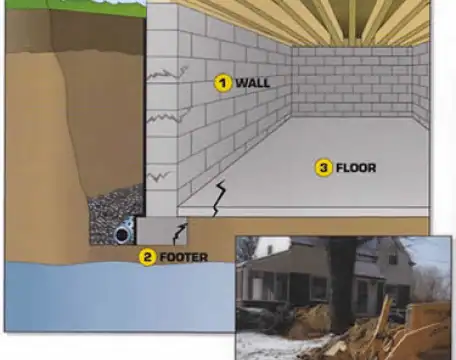
Exterior
Put an end to dampness, cracks, bowing walls, mildew and musty smells with the Everdry Solution.
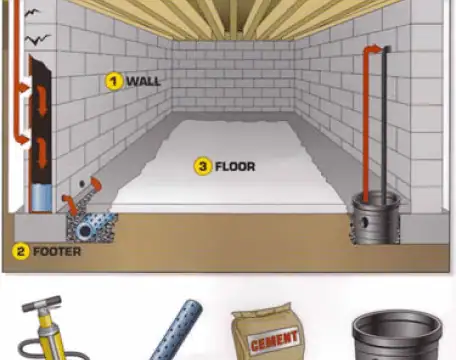
Interior
Put an end to dampness, cracks, bowing walls, mildew and musty smells with the Everdry Solution.
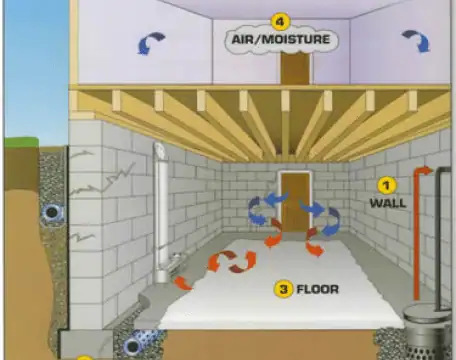
Multistep
Put an end to dampness, cracks, bowing walls, mildew and musty smells with the Everdry Solution.
Customer Reviews
The crew was very efficient, very respectful and I would highly recommend them. Thank you for your professionalism and doing an amazing job.
Ever Dry was fantastic. All the contractors were great and worked hard. Highly recommend
They made a big messy job look easy, such hard working guys that came out in the freezing cold each day on time. The communication was top tier with Don Thompson who checked in with me each morning before they started work to see if I had any questions and also at the end of the day as well. Every single person that I’ve been in contact with from EverDry has been wonderful and extremely helpful, I highly recommend them!
